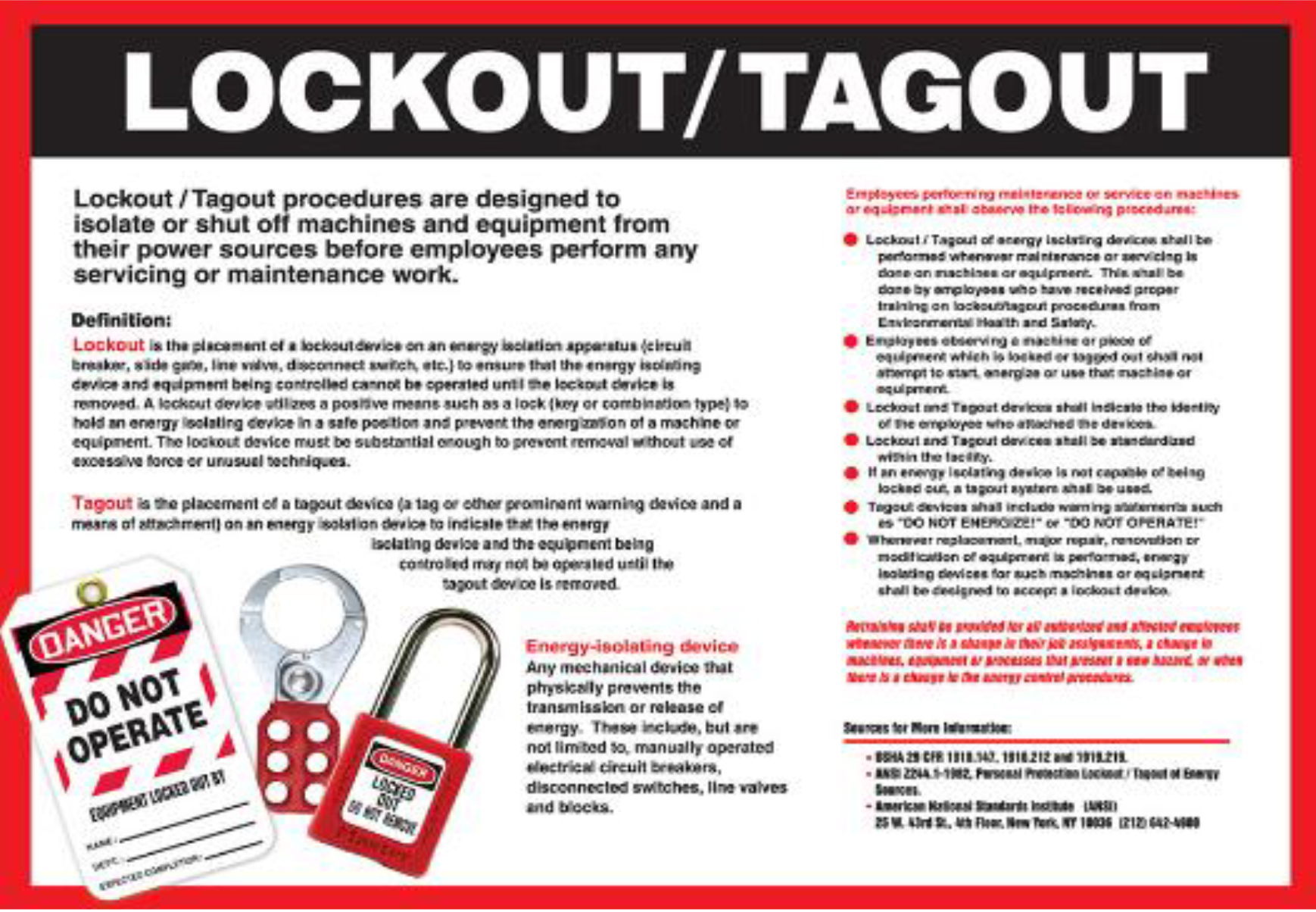
Every year, avoidable industrial accidents occur because of improper machine maintenance. Workers servicing equipment are exposed to unexpected energization, startup, or release of stored energy—risks that lead to amputations, electrocutions, and fatalities. The solution? A standardized, accessible lockout tagout handout PDF that communicates procedures clearly, consistently, and compliantly.
A lockout tagout handout PDF isn’t just paperwork—it’s a frontline defense. When designed effectively, it turns complex safety regulations into actionable steps that employees can understand and follow without hesitation. This article breaks down what makes a high-impact LOTO handout, how to use it in training, and where to find or create practical, downloadable versions for real-world application.
What Is a Lockout Tagout Handout PDF?
A lockout tagout handout PDF is a portable, printable document that summarizes the key principles, procedures, and responsibilities involved in controlling hazardous energy. It serves as a quick-reference guide during safety orientations, toolbox talks, or equipment servicing.
Unlike full-length LOTO programs, this handout distills the essentials: - Purpose of energy isolation - Roles of authorized vs. affected employees - Step-by-step lockout sequence - Required lockout hardware (locks, tags, hasps) - Common pitfalls and how to avoid them
It’s not meant to replace formal training—but to reinforce it.
For example, a maintenance technician preparing to service a conveyor belt can pull up the handout on a tablet or printed sheet to confirm they’ve followed each step: notifying others, shutting down the machine, isolating energy sources, applying locks, and verifying zero energy.
Without this clarity, even experienced workers may skip steps under time pressure—a breakdown that OSHA cites in over 10% of serious industrial incidents.
Why Every Facility Needs a LOTO Handout PDF
Generic safety posters don’t cut it. Workers need specific, actionable guidance tailored to their environment. A well-designed lockout tagout handout PDF fills that gap.
Prevents Complacency Through Consistent Messaging
When procedures are scattered across binders, intranet pages, or verbal instructions, inconsistency creeps in. A standardized PDF ensures everyone receives the same core message, reducing interpretation errors.
Supports Onboarding and Refresher Training New hires, temporary workers, or contractors can review the handout before entering high-risk zones. Supervisors use it during 5-minute safety talks before shift changes.
Meets OSHA 1910.147 Requirements OSHA’s control of hazardous energy standard mandates that employers provide written procedures and training. While the handout isn’t a full procedure, it acts as a compliant summary that demonstrates due diligence.
Reduces Downtime from Missteps One missed lock can shut down a production line for hours after an incident investigation. A clear handout reduces procedural deviations, keeping both people and operations safe.
A Midwest food processing plant reduced LOTO-related near-misses by 68% within six months of distributing laminated handout PDFs at every machine station.
Key Elements of an Effective LOTO Handout
Not all handouts are created equal. A high-impact lockout tagout handout PDF includes these core components:
1. Clear Purpose Statement Start
with a concise explanation:

“This procedure protects workers from unexpected energization or release of hazardous energy during servicing or maintenance.”
Avoid jargon. Use plain language.
2. Defined Roles Clarify who does what:
- Authorized Employee: Applies locks, performs isolation
- Affected Employee: Operates or uses equipment but doesn’t service it
Mistaking these roles leads to improper lock application—a common OSHA citation.
3. Step-by-Step Lockout Sequence Use numbered steps
with visual cues where possible:
- Notify affected personnel
- Shut down equipment using normal controls
- Isolate all energy sources (electrical, hydraulic, pneumatic, etc.)
- Apply lockout device(s) and personal lock
- Release stored energy (bleed lines, block parts, discharge capacitors)
- Verify isolation (attempt to restart, check pressure gauges)
4. Tag Requirements Explain that tags must include:
- Employee name
- Date and time
- Reason for lockout
Tags complement locks—they don’t replace them.
5. Group Lockout Guidance For team maintenance, include multi-lock hasp procedures and the role of the primary authorized employee.
6. Common Mistakes to Avoid List real-world errors:
- Using one lock for multiple energy sources
- Skipping verification after lock application
- Sharing lock keys or bypassing interlocks
These aren’t theoretical—they’re rooted in incident reports.
How to Use a LOTO Handout PDF in Training
A PDF handout shouldn’t sit in an email archive. Integrate it into your safety workflow:
During New Hire Orientation Print and distribute during onboarding. Pair it with a live demonstration of lockout on a non-critical machine.
Before Maintenance Tasks Require technicians to review the handout and sign a checklist before beginning work. Some companies embed the PDF in their CMMS (Computerized Maintenance Management System) workflow.
In Safety Audits and Drills Use the handout as a scoring rubric during LOTO audits. Walk through each step with the worker and check for adherence.
For Contractor Briefings Contractors often lack familiarity with site-specific procedures. Provide the handout as part of site access requirements.
One automotive parts supplier reduced contractor incidents by 45% after mandating handout review and sign-off before any maintenance activity.
Where to Download or Create a Lockout Tagout Handout PDF
You don’t have to build from scratch—but be cautious with templates.
Trusted Sources for Downloadable LOTO Handouts
| Source | Features | Best For |
|---|---|---|
| OSHA.gov | Free, compliant with 1910.147, basic format | Regulatory alignment |
| NIOSH Workplace Solutions | Industry-specific examples (e.g., manufacturing, labs) | Practical applications |
| ANSI Z244.1 Compliant Templates | Matches national standards, includes diagrams | High-risk environments |
| SafetyCulture (iAuditor) | Editable PDFs, mobile-friendly, checklist-ready | Digital teams |
| Creative Safety Supply | Visual-heavy, multilingual options | Diverse workforces |
Always customize downloaded templates. A handout for a chemical plant with high-pressure systems needs more detail than one for office printers.
Creating Your Own Handout: 3 Workflow Tips
- Involve Frontline Workers
- Maintenance techs know where confusion arises. Ask them: “Where do people usually skip steps?” Their input makes the handout more realistic.
- Use Visuals Sparingly but Strategically
- A simple flowchart of the lockout sequence increases retention by 40% (per NIOSH studies). But avoid clutter.
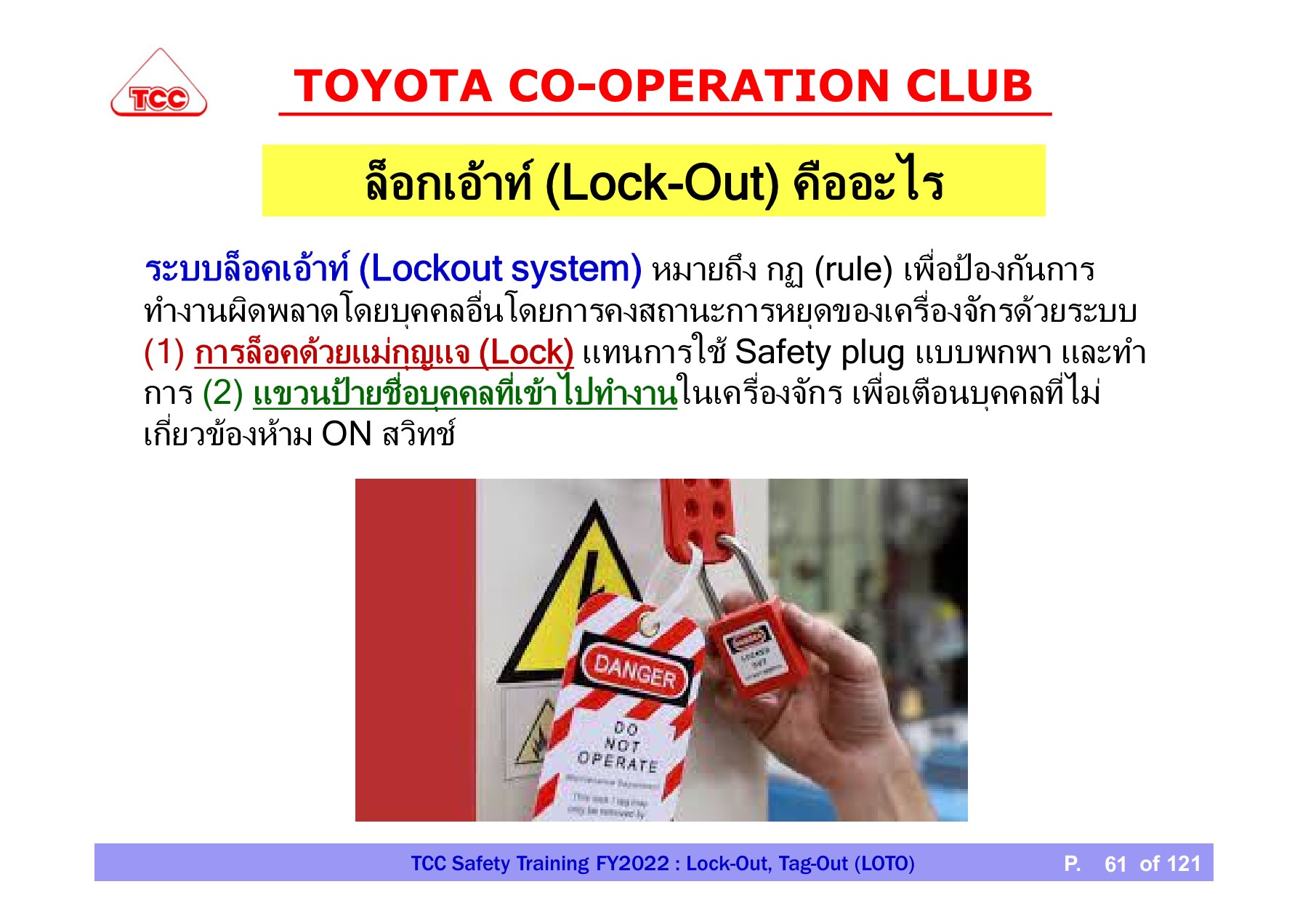
- Version Control Matters
- Label the PDF with a revision date and approval signature. Store it in a central, accessible location—like your safety intranet or shared drive.
Common Pitfalls in LOTO Handout Design
Even well-intentioned handouts fail when they ignore real-world use.
Mistake #1: Too Much Text A wall of paragraphs overwhelms. Use bullet points, bold headers, and white space. Aim for one page—two at most.
Mistake #2: Ignoring Energy Type Specifics An electrical lockout differs from hydraulic. If your facility uses multiple energy sources, create appendices or separate sheets.
Mistake #3: No Clear Call to Action End with: “If in doubt, STOP and contact your supervisor.” Indecision kills.
Mistake #4: Failing to Update Machines change. Procedures evolve. Review and reissue the handout annually—or after any incident.
Real-World Use Cases: How LOTO Handouts Prevent Accidents
Case 1: Packaging Plant Near-Miss A technician began adjusting a fill nozzle without isolating the air supply. A coworker noticed and stopped him, referencing the handout posted nearby. The machine had residual pneumatic pressure—enough to cause severe injury.
Case 2: University Lab Shutdown Lab staff servicing a fume hood used the handout to identify an overlooked electrical disconnect. The PDF included a diagram specific to lab equipment—something generic templates miss.
Case 3: Contractor Compliance A third-party electrician arrived onsite without lockout devices. The safety manager provided the handout, which listed required tools and site rules. The job proceeded safely with proper equipment.
These aren’t edge cases. They reflect daily risks in dynamic environments.
Make Your LOTO Handout PDF Actionable Today
A lockout tagout handout PDF is more than a compliance document—it’s a behavior-shaping tool. When designed with clarity, relevance, and real-world usability, it becomes part of your safety culture.
Don’t settle for a generic template buried in a folder. Audit your current materials. Is the language clear? Are the steps accurate? Can a new employee follow it independently?
Revise, distribute, and reinforce. Post it near machinery. Include it in training modules. Refer to it during audits.
Then watch compliance improve—not because you demanded it, but because you made it possible.
Frequently Asked Questions
What should a lockout tagout handout include? A purpose statement, roles, step-by-step procedure, tag requirements, group lockout guidance, and common mistakes.
Is a LOTO handout sufficient for OSHA compliance? No—it supports compliance but must be part of a full program including training, written procedures, and periodic inspections.
Can I use a digital LOTO handout PDF? Yes, if employees can access it reliably during maintenance (e.g., on tablets or locked kiosks).
Who needs to receive the handout? All authorized and affected employees, plus contractors performing maintenance.
How often should the handout be updated? At least annually, or after equipment changes, incidents, or procedure revisions.
Should the handout be site-specific? Yes—generic templates should be customized to reflect your equipment, energy sources, and workflow.
Can I download a free LOTO handout PDF? Yes—OSHA, NIOSH, and safety suppliers offer free, downloadable versions, but always tailor them to your facility.
FAQ
What should you look for in Lockout Tagout Handout PDF Guide for Workplace Safety? Focus on relevance, practical value, and how well the solution matches real user intent.
Is Lockout Tagout Handout PDF Guide for Workplace Safety suitable for beginners? That depends on the workflow, but a clear step-by-step approach usually makes it easier to start.
How do you compare options around Lockout Tagout Handout PDF Guide for Workplace Safety? Compare features, trust signals, limitations, pricing, and ease of implementation.
What mistakes should you avoid? Avoid generic choices, weak validation, and decisions based only on marketing claims.
What is the next best step? Shortlist the most relevant options, validate them quickly, and refine from real-world results.