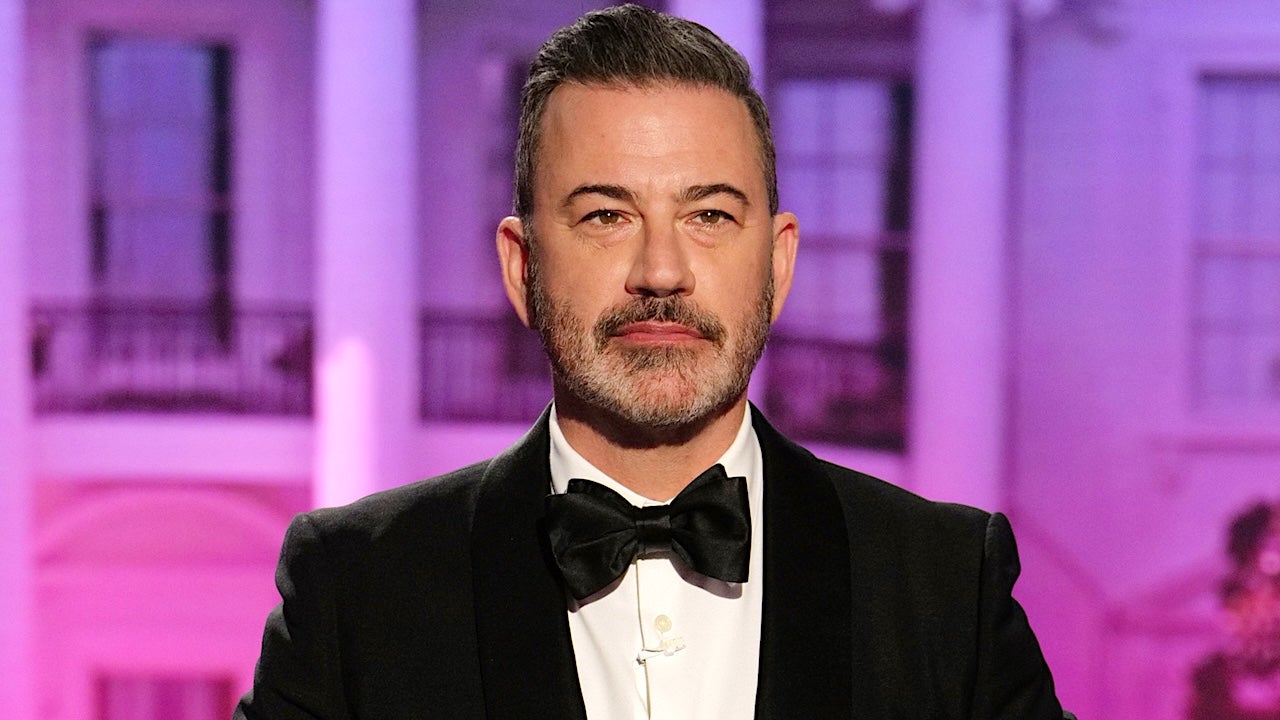
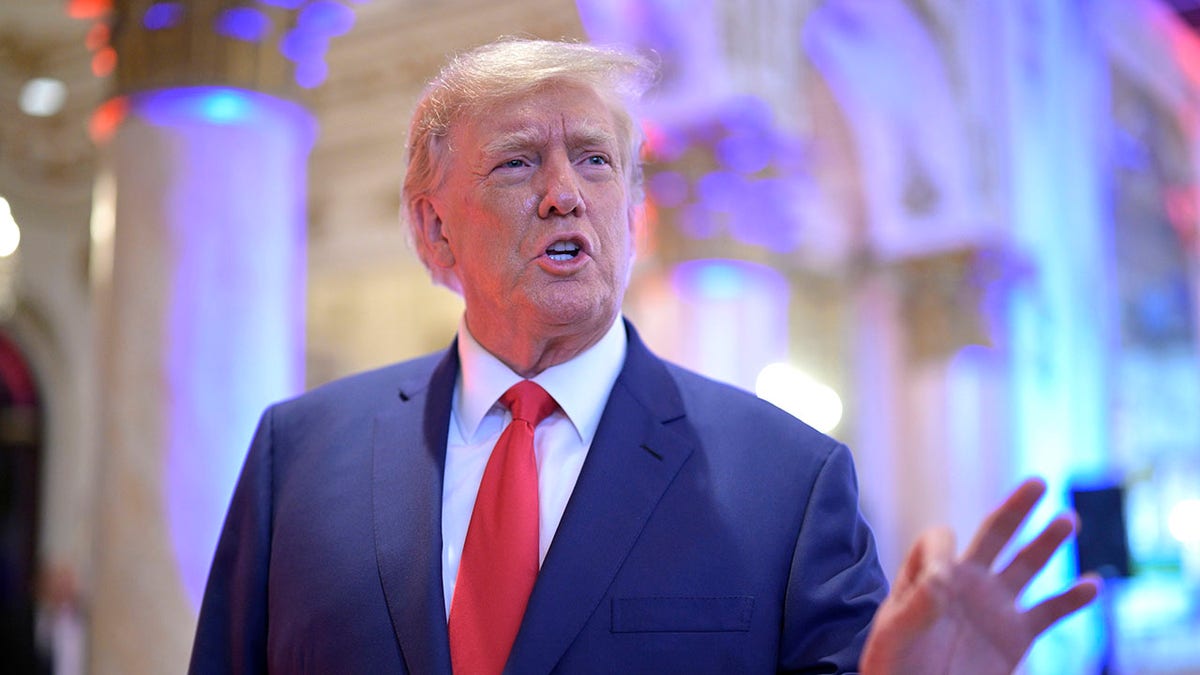
Donald Trump erupted in fury after a 60 Minutes anchor read excerpts from the alleged gunman’s manifesto during a broadcast, accusing the program of giving a platform to a domestic terrorist. The segment, intended to unpack the motives behind a politically charged attack targeting a public figure, ignited a firestorm—drawing sharp criticism from Trump, his allies, and free speech watchdogs over the ethics of broadcasting extremist content.
This wasn’t just another media controversy. It struck at the core of how news organizations handle political violence, the boundaries of responsible journalism, and the weaponization of public platforms in a polarized age.
Trump’s reaction was swift and scathing. He didn’t just criticize the reporting—he attacked the anchor personally, calling the act “disgusting,” “dangerous,” and a clear sign of media complicity. But behind the outrage lies a deeper question: when does explaining extremism become amplifying it?
The Broadcast That Sparked the Fire
The 60 Minutes episode centered on an investigation into a foiled assassination attempt linked to a radicalized individual. The man, later identified as the alleged gunman, had written a 12-page document outlining his hatred for political leaders, conspiracy theories about election fraud, and a declared intent to “send a message.”
During the segment, correspondent Lesley Stahl read several paragraphs from the document verbatim, framing them as evidence of how online radicalization can escalate to real-world violence. The intent was clear: show the logic—or illogic—of an attacker’s mindset to help the public understand the threat.
But the moment Stahl began reading, the tone shifted from analytical to visceral. The words were raw, filled with hate, and unmistakably political. And they echoed phrases used by Trump himself—particularly around election integrity and media distrust.
Trump seized on this.
In a Truth Social post hours after the broadcast, he wrote: “They read the deranged rant of a failed criminal and put it on national TV like it’s gospel. But they never say that my words were legal, peaceful, and patriotic. This is how you inspire more sickoes.”
He later doubled down in interviews, accusing CBS of “glorifying” the gunman by quoting him at length. “They gave him exactly what he wanted—the spotlight,” Trump said. “And they did it while pretending to be neutral.”
Why Reading the Manifesto Crossed a Line
There’s a long-standing debate in journalism about whether, and how, to handle terrorist manifestos.
On one side: transparency. News organizations argue that suppressing such content risks obscuring the truth. If the public doesn’t see what radicalized someone, how can society identify patterns, prevent future attacks, or hold platforms accountable for spreading dangerous rhetoric?
On the other side: responsibility. Broadcasting a manifesto verbatim—especially when it repeats conspiracy theories or political slogans—can validate the attacker’s worldview, inspire copycats, and blur the line between reporting and endorsement.
In this case, 60 Minutes walked that line—and many believe it stepped over it.
Media ethicists point to research showing that attackers often seek fame or notoriety. By reading the text aloud, even in a critical context, journalists may inadvertently feed that desire. A 2022 study from the University of Alabama found that attackers whose manifestos were widely covered were more likely to be cited in future threats.
Additionally, the selective quoting raised concerns. Critics noted that while 60 Minutes highlighted phrases that mirrored Trump’s rhetoric, it didn’t always clarify context—such as whether the gunman misrepresented Trump’s statements or twisted them beyond recognition.
“This wasn’t just reporting—it was performance,” said Dr. Elena Morris, a media studies professor at Columbia. “When you have a journalist in a suit, on a respected show, reading lines from a would-be assassin like they’re excerpts from a political speech, you’re creating a false equivalence.”
Trump’s Pattern of Media Confrontation

Trump’s fury wasn’t spontaneous. It fits a decades-long pattern of attacking media figures who challenge or scrutinize him.
From calling CNN “fake news” to threatening to revoke broadcasting licenses, Trump has consistently framed the press as an adversary—not a watchdog. In this instance, he didn’t just disagree with the segment; he accused the network of aiding and abetting violence.
“This isn’t about journalism anymore,” Trump claimed. “This is about a coordinated attack on me by people who want me silenced.”
But his response also reveals a strategic calculation. By attacking the anchor personally—naming her, quoting her delivery, questioning her motives—he shifts focus from the gunman’s ideology to media bias. It’s a familiar tactic: reframe criticism as persecution.
And it works.
Supporters echoed his outrage online, with hashtags like #Boycott60Minutes trending for 36 hours after the broadcast. Some claimed the network was “inciting violence against conservatives by proxy,” while others accused Stahl of “parroting terrorist propaganda.”
Meanwhile, fact-checkers noted that the gunman’s manifesto contained references to far-left extremism as well—details omitted from the segment. While this doesn’t excuse the act, it does suggest a more complex narrative than the one presented.
The Anchor’s Defense and Editorial Judgment
Lesley Stahl and 60 Minutes stood by their decision.
In a statement, the program explained: “We did not glorify the gunman. We exposed his ideology. Our job is not to sanitize danger, but to reveal it—so the public can confront it.”
Stahl later appeared on a media panel, defending the editorial choice. “We didn’t read the whole thing—we pulled key excerpts that showed his descent into paranoia and violence. We contrasted his words with facts. We named the lies. Isn’t that the opposite of amplification?”
She emphasized that the segment included interviews with law enforcement, psychologists, and victims of political harassment—aimed at showing how hateful rhetoric spreads and escalates.
Still, critics argue that intent doesn’t erase impact.
Even responsible broadcasting can backfire. When a network with 60 Minutes’ prestige gives airtime to a manifesto—even to condemn it—it elevates the document’s status. Algorithms pick it up. Far-right forums quote it. And the cycle continues.
One CNN producer, who requested anonymity, admitted: “We debate this every time. Do we mention the shooter’s name? Do we show the video? Do we quote the letter? There’s no perfect answer. But once you air it, you’ve changed the game.”
The Broader Media Dilemma: Inform or Inflame? This incident isn’t isolated.
After the 2019 Christchurch mosque shooter live-streamed his attack, major outlets struggled with whether to mention his name or ideology. Many chose to downplay it—only to face backlash from communities demanding transparency.
After the 2022 Buffalo supermarket shooting, some networks aired parts of the manifesto, arguing that white supremacist radicalization needed to be exposed. Others refused, citing the risk of recruitment.
There’s no universal standard—and that’s the problem.
News organizations operate under different editorial guidelines. The New York Times often quotes extremist texts with heavy context. Fox News tends to focus on law enforcement failures. 60 Minutes, as an investigative program, leans into narrative and drama.
But in an era where seconds of screen time can turn a nobody into a symbol, the stakes are higher than ever.
A best practice emerging among ethical journalists: summarize, don’t quote. Describe the ideology. Explain the radicalization pipeline. Use expert analysis. Avoid verbatim readings unless absolutely necessary—and even then, minimize exposure.
As the Poynter Institute advises: “Let the public understand the threat—but don’t hand the attacker a megaphone.”
Political Fallout and Public Reaction The backlash cut across lines.
Progressive groups criticized Trump for deflecting blame, noting that his own rhetoric has been linked to previous acts of political violence. The Southern Poverty Law Center released a statement saying, “Trump’s language helped create the environment that made this attack thinkable.”
Meanwhile, conservative media outlets like Newsmax and OAN sided with Trump, calling the 60 Minutes segment “journalistic malpractice.”
Public opinion was split. A YouGov poll found that 48% of Americans believed the network went too far by reading the manifesto, while 37% said it was justified for context. Independents were nearly evenly divided.
But one thing was clear: the conversation wasn’t about the gunman anymore. It was about power—who controls the narrative, who gets defended, and who gets silenced.
And in that arena, Trump remains a master tactician.
What Should Media Do Differently?
The 60 Minutes incident offers hard lessons for newsrooms.
First: context isn’t enough. You can preface a quote with “this is dangerous” or “this is false,” but the human brain remembers the quote—not the disclaimer. Cognitive studies show that repetition, even in refutation, strengthens memory of the original statement.
Second: consider the audience. Not everyone watching has media literacy. A teenager scrolling TikTok might see a clip of the anchor reading the manifesto without the surrounding critique—and walk away thinking it’s credible.
Third: weigh the alternatives. Could the same point have been made with summaries, expert testimony, or reconstructed timelines—without quoting the text at all?
Here are actionable steps for responsible reporting: - Summarize, don’t quote: Describe the ideology without repeating it verbatim. - Blur names and symbols: Avoid giving attackers the recognition they seek. - Use third-party analysis: Let experts interpret the text, not journalists. - Limit airtime: If quoting is necessary, keep it brief and framed. - Monitor downstream impact: Track how clips are shared and respond to misuse.
Conclusion: A Moment of Reckoning for Media and Politics
Trump’s lashing out at the 60 Minutes anchor wasn’t just about one broadcast. It was about control—over narrative, over blame, over the story of political violence in America.
But the real issue isn’t whether Trump was right or wrong in his criticism. It’s that both sides—politicians and media—keep playing a dangerous game. Politicians stoke outrage for power. Media outlets chase attention to survive. And in the middle, extremism grows.
The manifesto shouldn’t have been ignored. But it also shouldn’t have been read like a speech at a rally.
Moving forward, both journalists and public figures must ask: Are we informing the public—or feeding the fire?
The answer will shape not just the next headline, but the safety of the nation.
FAQ
Why did Trump react so strongly to the 60 Minutes segment? Trump viewed the broadcast as giving a platform to a violent extremist who echoed some of his rhetoric, which he believes unfairly ties him to political violence.
Did 60 Minutes glorify the alleged gunman? The program denied glorification, stating its intent was to expose radicalization. Critics argue that reading the manifesto verbatim, regardless of intent, amplifies dangerous content.
Is it ethical to read a terrorist manifesto on air? Most media ethicists advise against verbatim readings, as they risk spreading propaganda and inspiring copycats, even when done critically.
What impact does media coverage have on political violence? Studies show attackers often seek notoriety. Extensive media coverage, especially quoting manifestos, can incentivize future acts by fulfilling that desire for attention.
How should journalists report on extremist ideologies? Experts recommend summarizing ideologies, using expert analysis, avoiding names or symbols, and minimizing direct quotations to prevent unintended amplification.
Did the gunman’s manifesto directly quote Trump? Parts of the text echoed Trump’s rhetoric on election fraud and media distrust, but investigators have not confirmed direct quoting or coordination.
Who decides what gets aired in investigative journalism? Editorial boards and senior producers make these decisions, balancing public interest, legal risk, and ethical responsibility.
FAQ
What should you look for in Trump Slams 60 Minutes Anchor Over Manifesto Reading? Focus on relevance, practical value, and how well the solution matches real user intent.
Is Trump Slams 60 Minutes Anchor Over Manifesto Reading suitable for beginners? That depends on the workflow, but a clear step-by-step approach usually makes it easier to start.
How do you compare options around Trump Slams 60 Minutes Anchor Over Manifesto Reading? Compare features, trust signals, limitations, pricing, and ease of implementation.
What mistakes should you avoid? Avoid generic choices, weak validation, and decisions based only on marketing claims.
What is the next best step? Shortlist the most relevant options, validate them quickly, and refine from real-world results.